Redlands Ranch and Western Wildlife - A Hackberry Farm Nature Photography Workshops field report

Five minutes after we settled into the blind at Redlands Ranch, the birds were already flitting in.
“This is the way nature photography workshops ought to work,” I think to myself. I am referring to the no-waiting, constant-action aspect of the blind I built on this property just over two years ago. It’s a phenomenon I suspected would happen when we turned the first shovel of dirt on this hardscrabble piece of Rolling Plains rangelands. Water is scant here, so a water hole with a reliable source of food ought to draw animals in, I surmised.
I lived about 10 miles north of this spot for 26 years, and I had some experience bringing animals to a single spot for photography. When I designed this spot, I just replicated past lessons. I am glad I did.
As I look across the blind, all heads are down and engaged with their cameras, and each person is silently clicking away images that will indelibly record on both physical medium and each person's experiential memory.
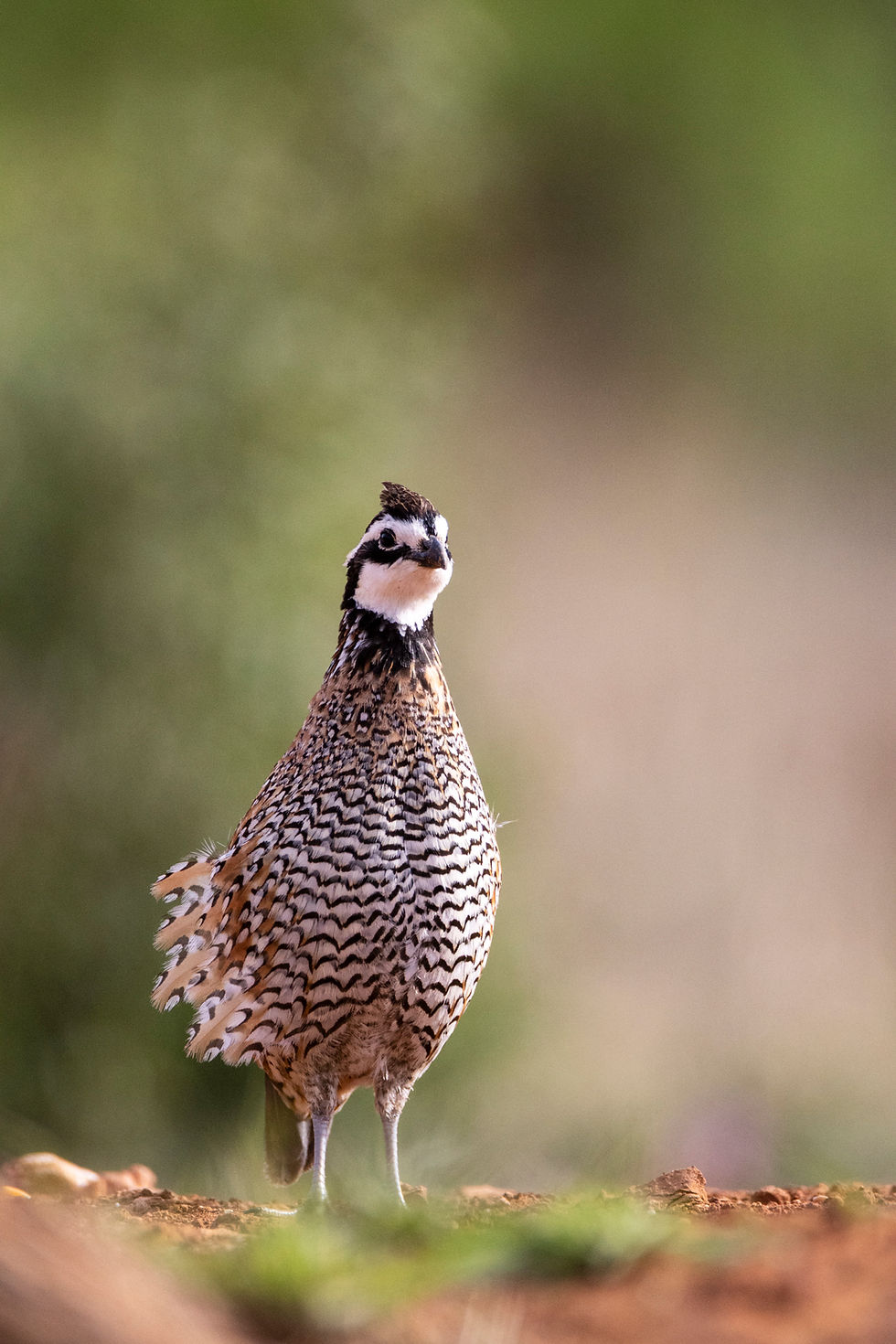
“There comes some quail,” one person whispers without looking up from their camera. Each person turns instinctively in the direction from which the quail saunter from the brush. When it comes to birds, there’s a broad swath of what we could collectively call beautiful. However, I would argue that no bird puts the basic colors of brown, white, and black together so beautifully as a male bobwhite. They must be one of the most stylish birds that I have ever laid my eyes on.
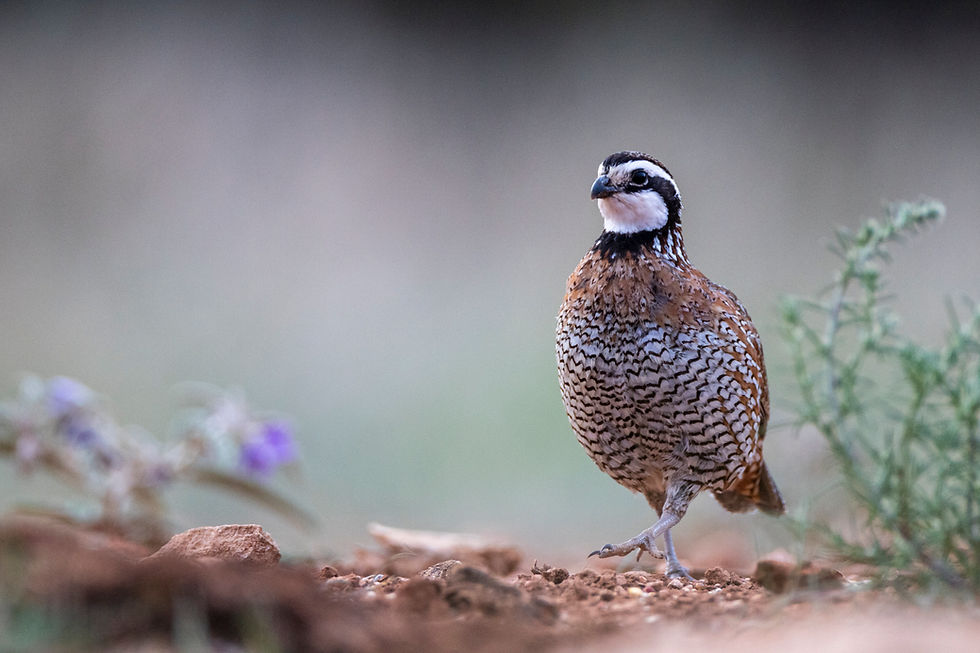

In this group, there are folks who have never seen bobwhites, and I can tell they are impressed with them as well. No matter how you slice it, bobwhites are a special grassland bird.
Soon, a whitetail deer, with freshly grown antlers covered in velvet, cruises past and takes the time to take a cursory glance at us. Since we’re at eye level with the small birds who frequent this blind, we’re below the buck’s eyeliner, and it makes for some interesting compositions.
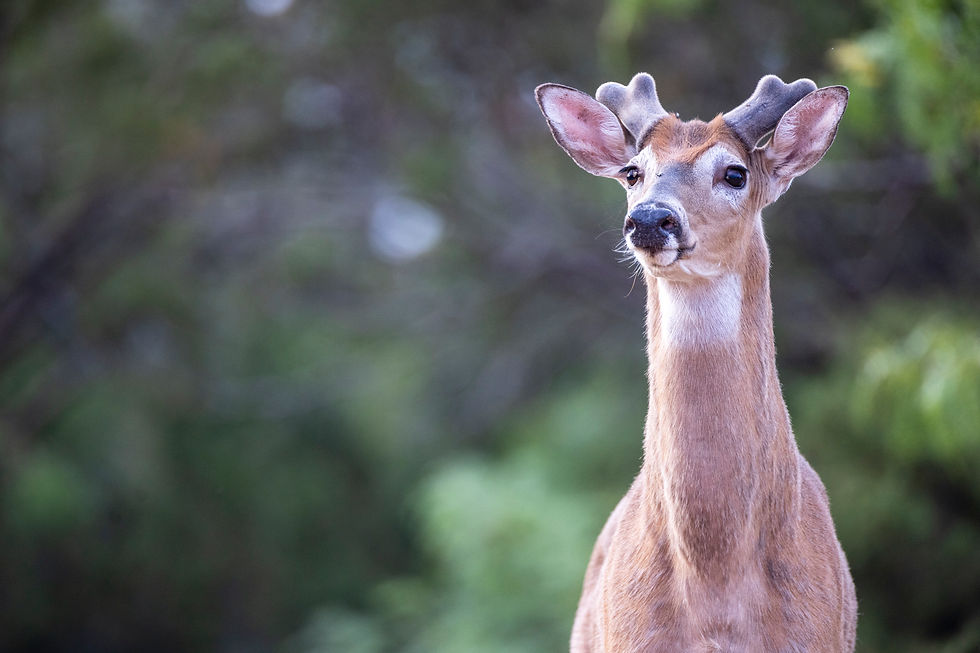
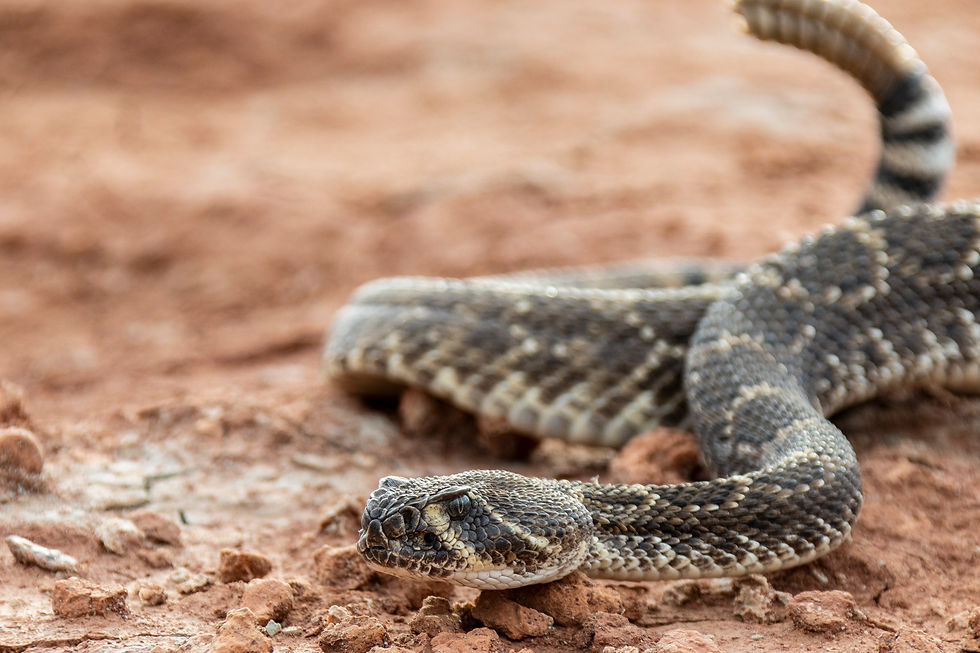
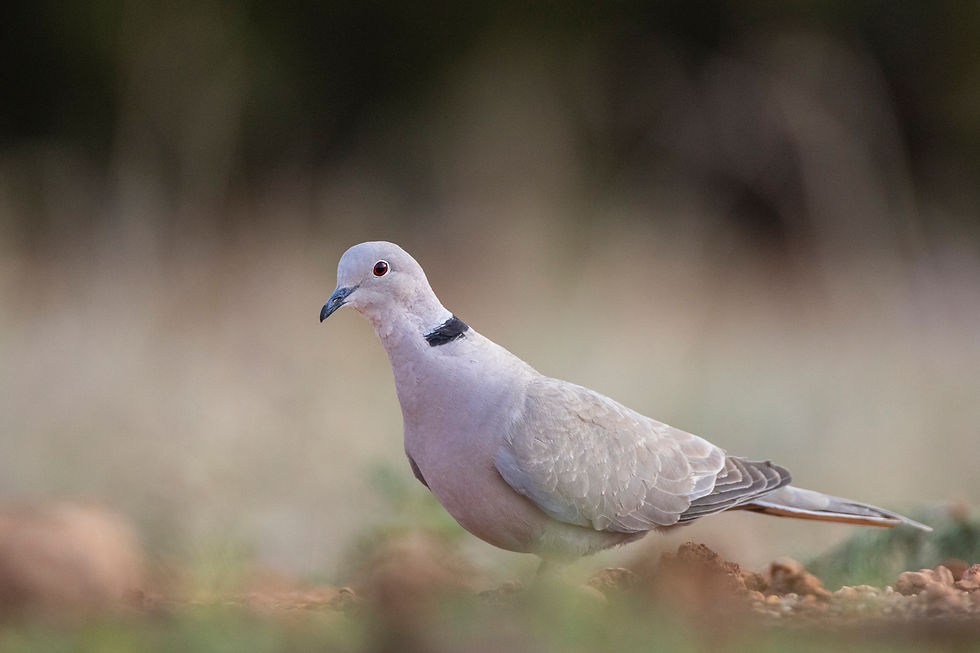
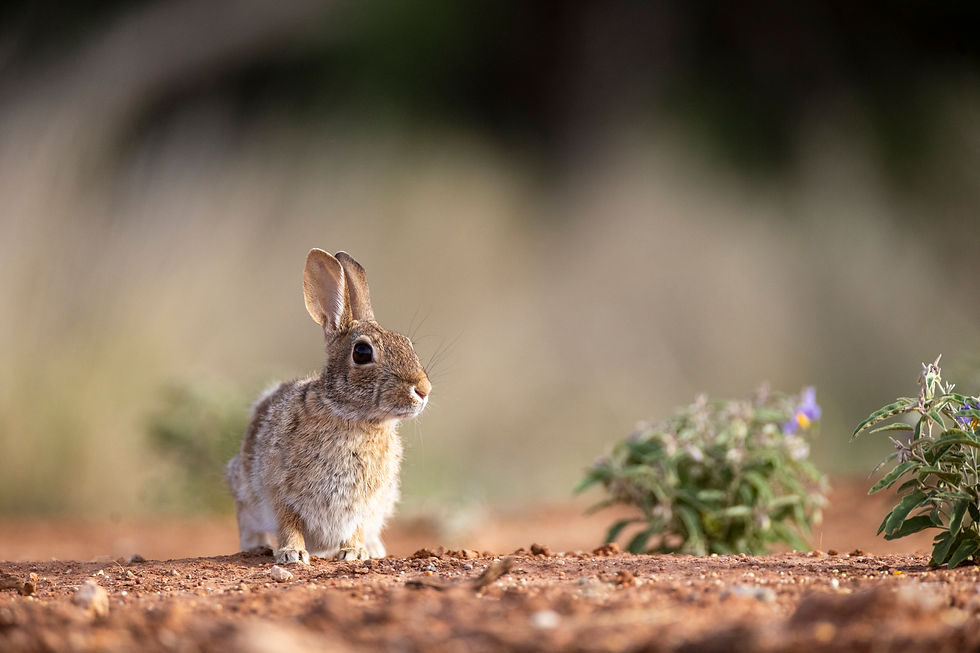
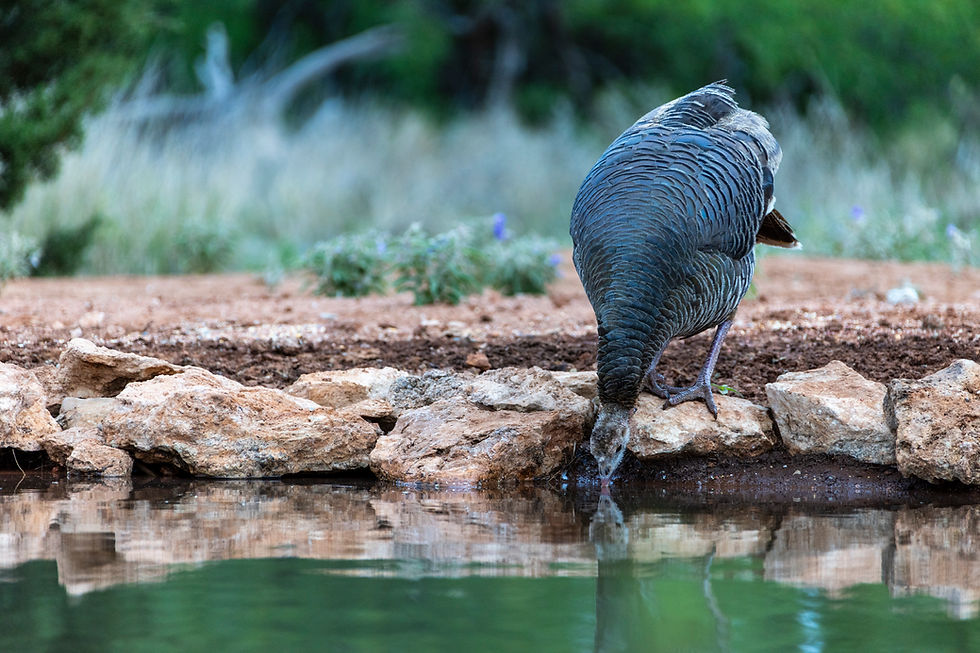
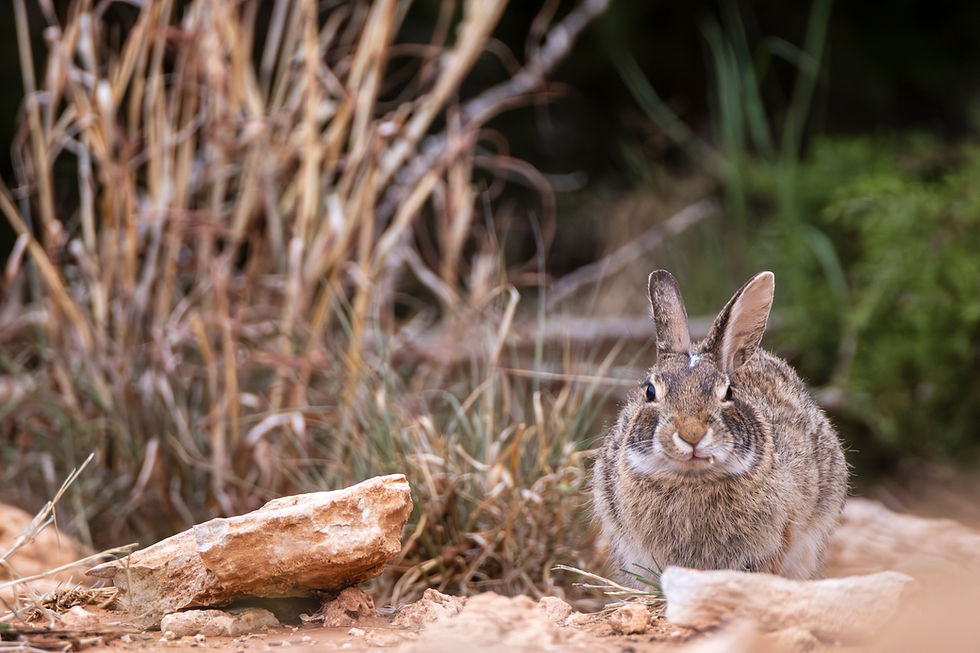
For the first two days of this workshop, we spend considerable time in the blind, and the results speak for themselves: the time is highly productive. By my count, we photograph at least twenty different species of birds and mammals. Each is different in its own right, but each shares the distinction of being photographed at eye level, mere feet away.
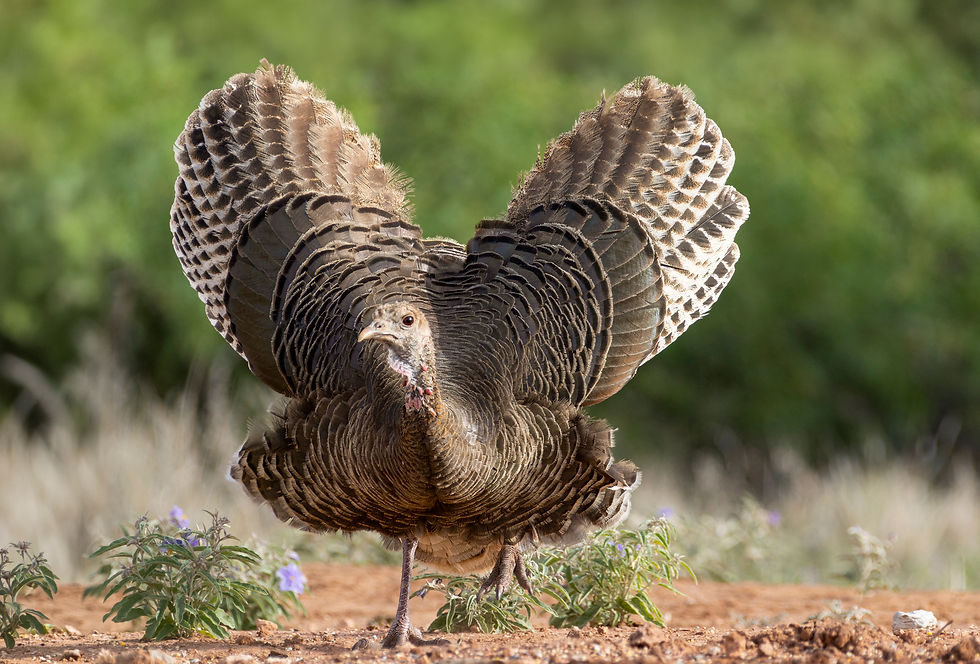

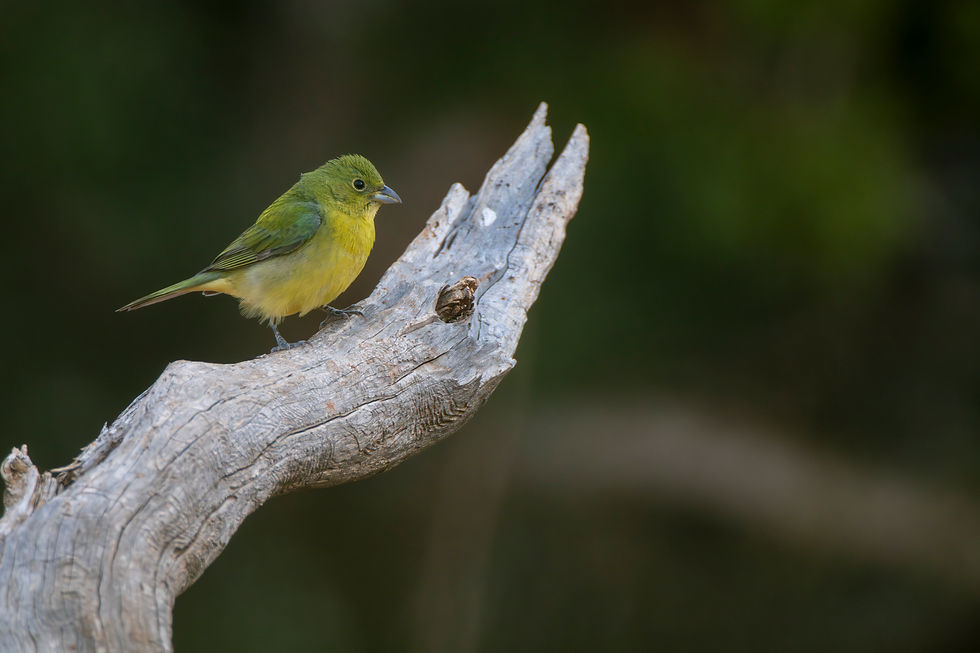

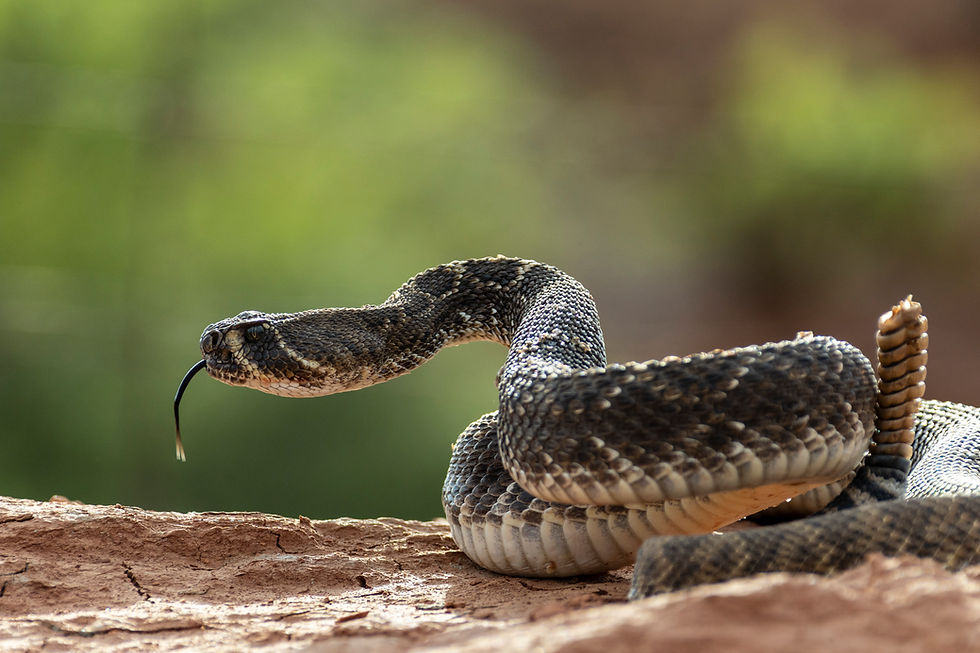

That’s what’s special about this non-descript, metal blind sunken into the red dirt of a remote, Northwest Texas ranch.
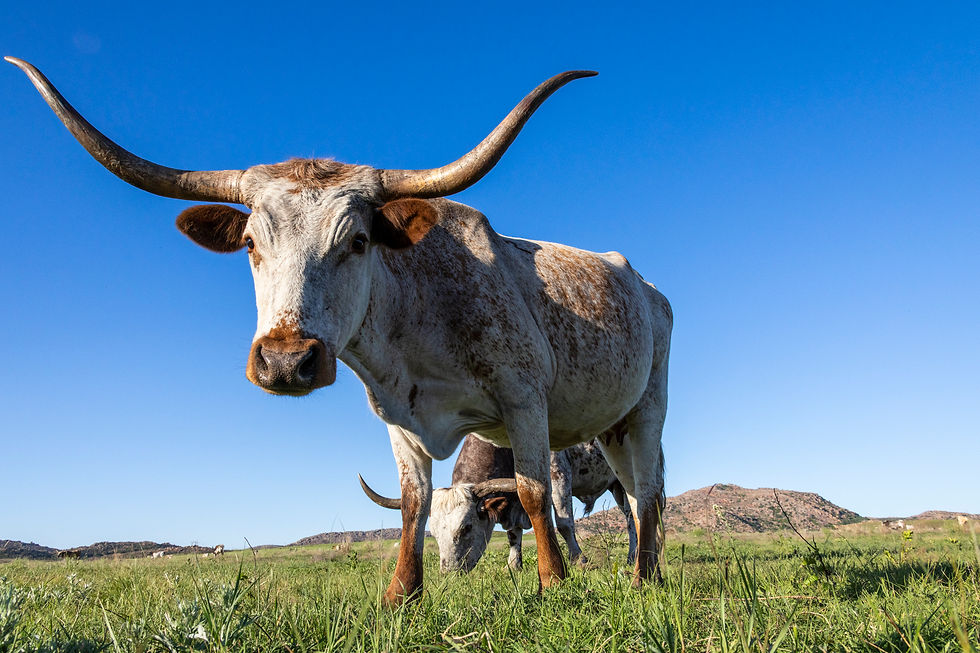
In the second half of the trip, we cruise the oldest wildlife management area in the country and photograph a myriad of animals, safari-style.
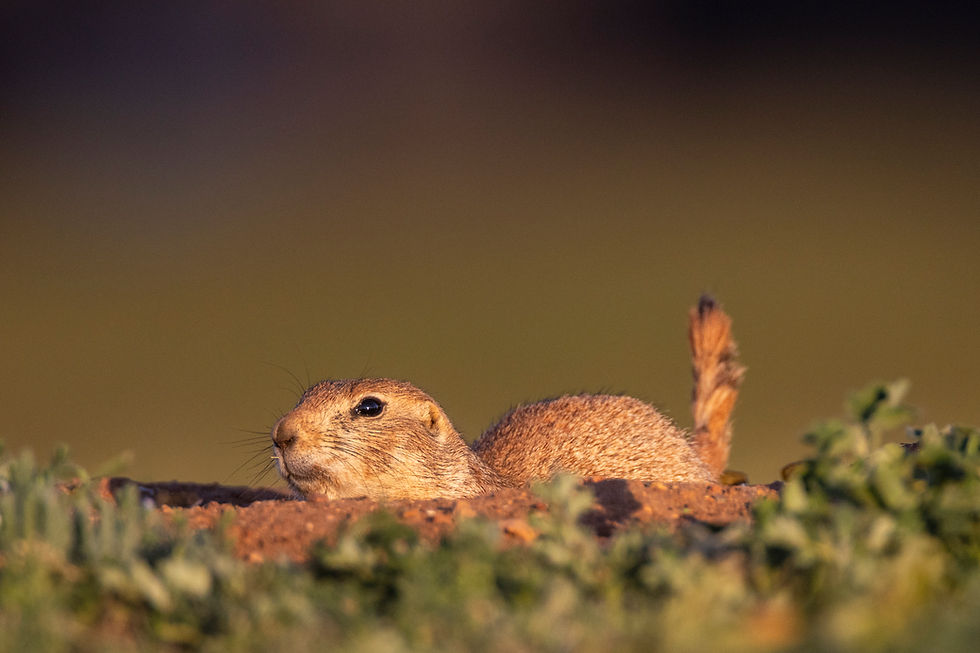
Bison, elk, deer, raptors, and prairie dogs all have their place, but that star of the show may have been an eight-inch-long lizard whose unusual name belies its beauty.


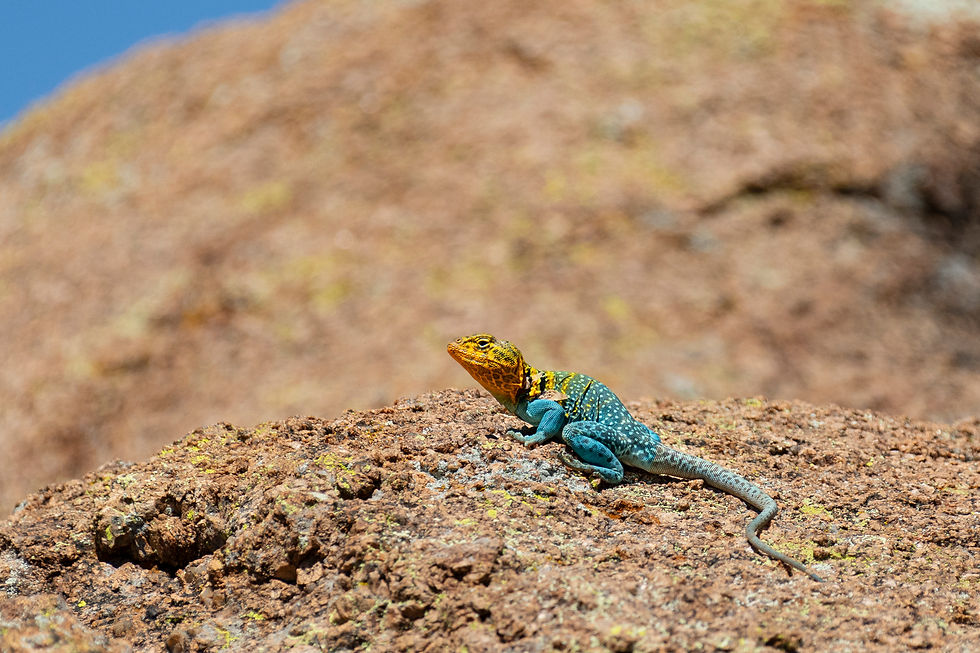
“There’s a mountain boomer,” I say, pointing to the crest of a granite rock on which the reptile is perched. With a blue body, yellow head, and a stature that’s kind of imposing for a reptile, the state reptile of Oklahoma suns himself on this exposed rock for all to see.
Most of the time, these mountain boomers are calm, and you can approach them fairly closely. We weren’t disappointed on this outing either. In an area I call “Boomer Town,” we see six mountain boomers (properly called collared lizards) and can photograph each of them from just a short distance.

As the last evening waned, we travel across the prairie and see a couple of bison bulls irritated by the other’s presence. While they don’t fight, the standoff is a detente of sorts. Neither wants to expend the energy of squaring off with one another. It’s the beginning of the bison rut here, and it’ll be a long, hot season. For now, a territorial battle will have to wait, so they each go their separate ways.
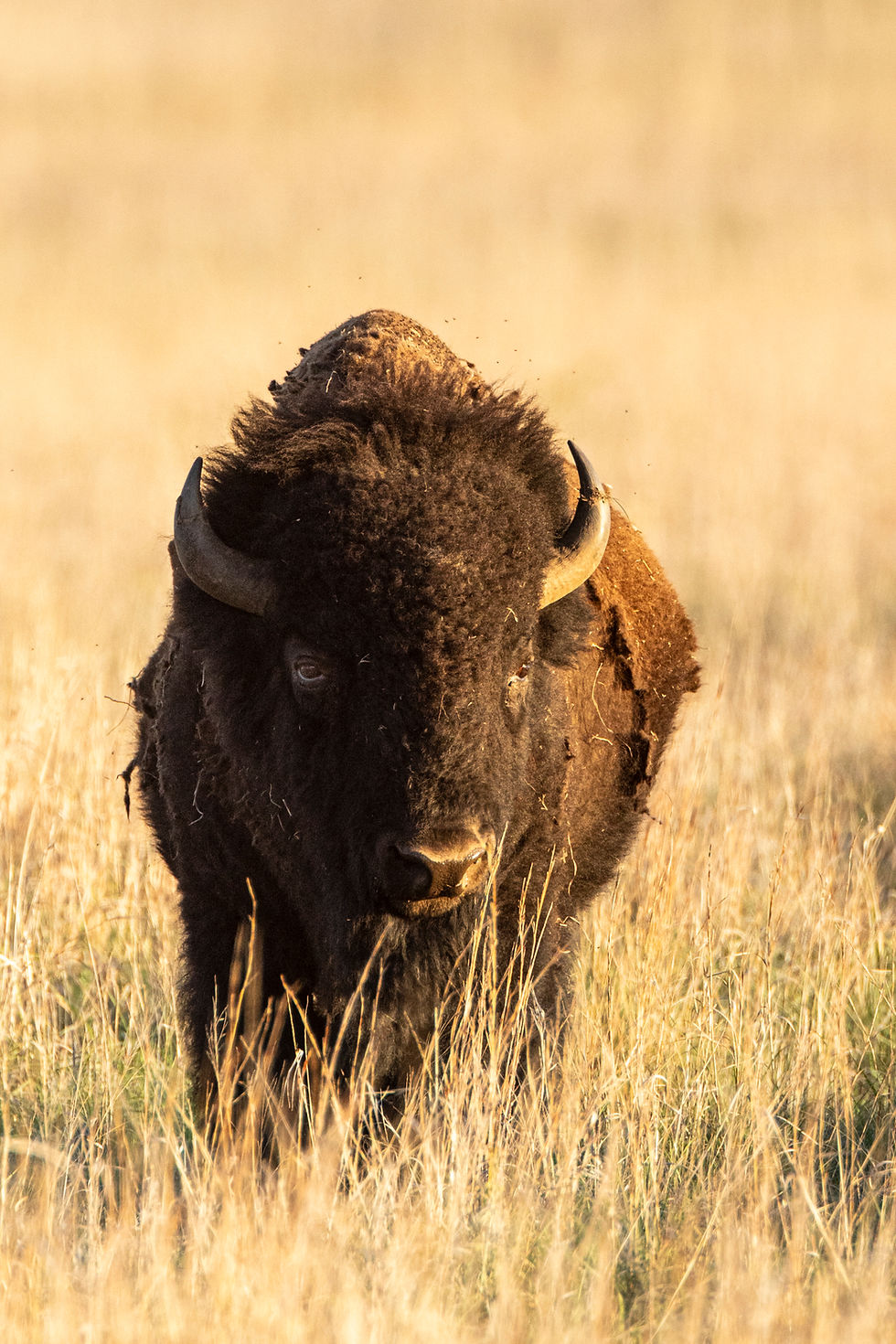
In a way, seeing that interaction makes this whole trip complete. We’ve seen animals interact in a way that’s as intimate as you can see them. We’ve witnessed wildlife going about its business on its own terms.
“This is the way nature photography workshops ought to work,” I once again think to myself.
ADDITIONAL IMAGES








I was just astounded at the variety of wildlife you saw and photographed. I enjoyed this so much.